Urban Rail Ultrasonic Testing System (UR-UT)
Ultrasonic Rail Testing System for Tram, Metro, and Urban Rail Networks
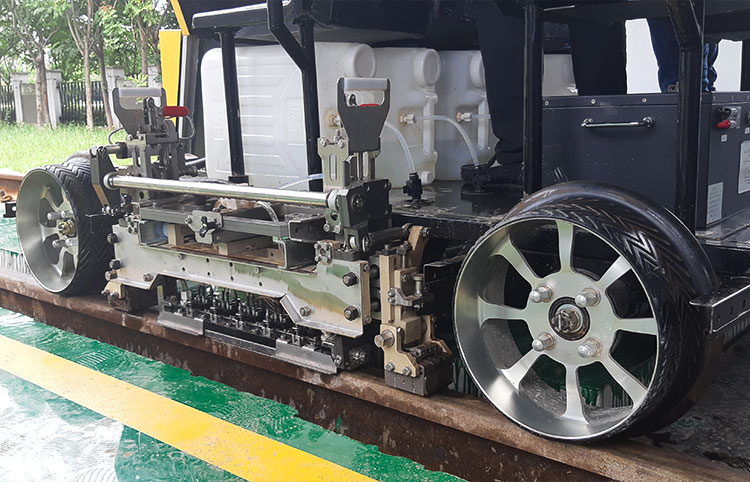
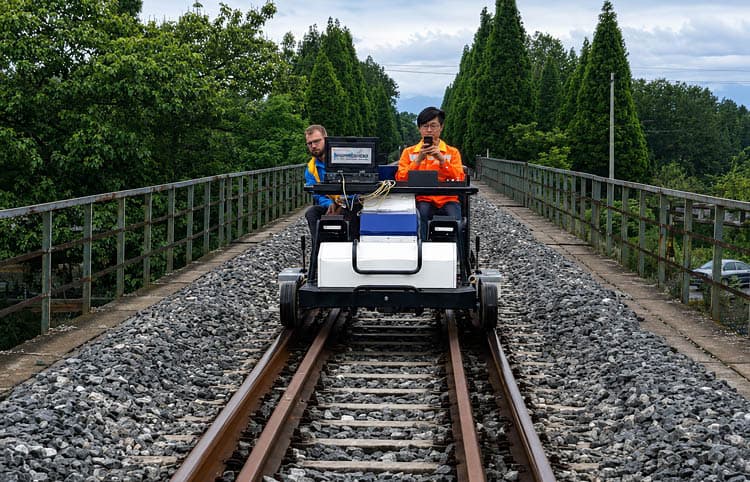
The UR-UT is an ultrasonic rail testing system designed for tram, metro, and urban rail infrastructure. The system operates on a self-propelled electric trolley and supports ultrasonic inspection with optional track geometry measurement for urban rail maintenance and condition monitoring.
Key Features
- Self-propelled electric inspection trolley
- 18 ultrasonic channels for full rail coverage
- Inspection speed up to 15 km/h
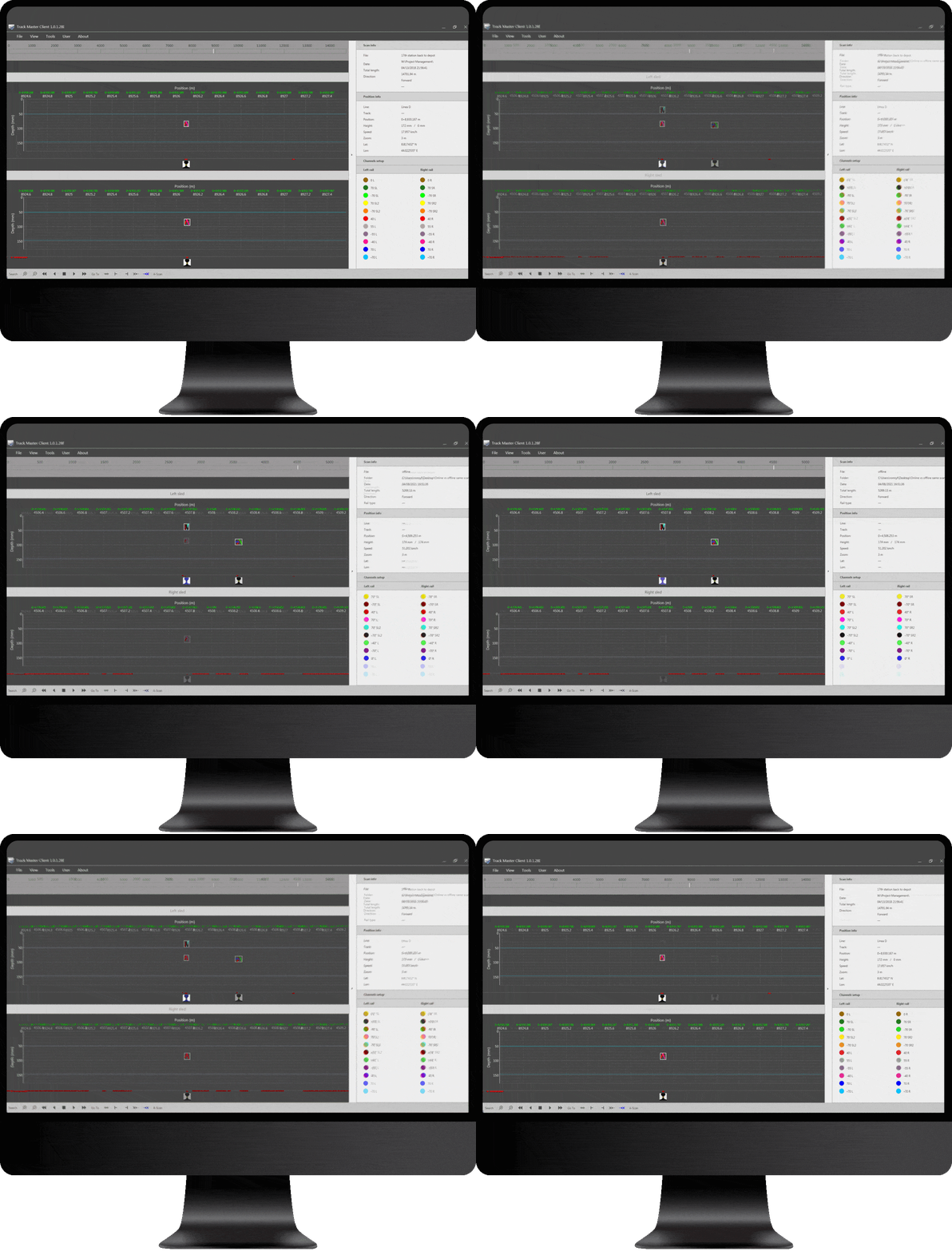
- Real-time B-scan visualization
- Optional track geometry measurement
- Single-operator operation
- Suitable for tram, metro, and light rail networks
Optional Track Geometry Measurement
- Gauge measurement
- Alignment monitoring
- Cross-level measurement
- Synchronized acquisition with ultrasonic inspection data
Data Acquisition and Analysis
- Real-time defect detection and evaluation
- Online and offline data analysis
- Optional GPS-based defect localization
Operational Features
- Self-propelled battery-powered platform
- Operation through switches and intersections
- Low-consumption water circulation system
The TrackMaster
The UR-UT is delivered with integrated TrackMaster software, a complete package for data collection, presentation and analysis. The software covers all phases of system operation, from configuration and inspection to post-processing. Data can be processed in both offline and online modes. In addition, data records can be used to establish a baseline for comparative periodic monitoring of rail conditions.
The analysis function is used to identify and categorize flaws in a scan. It is based on a defect finder algorithm with an integrated noise reduction algorithm or/and an integrated AI/Fuzzy Logic algorithm. Using this analysis features eliminates the need for specially trained personnel and reduces the total cost of system usage.
The analysis module enables the issue of a report containing a list of all suspected flaws, their locations in the scanned track and the distance from the nearest reference points.
This report is useful to the repair teams responsible for locating detected flaws on the relevant section of rail and performing required maintenance operations.